Keeping children safe while traveling requires knowing the specific rules in your state. Illinois has clear guidelines about when and how to use child restraints in vehicles. Parents and caregivers must understand these regulations to protect young passengers and avoid penalties.
What the Law Says About Child Passenger Safety
The booster seat requirements in Illinois are designed to protect children based on age and size. State law mandates that children under age 8 must be secured in an appropriate child restraint system. This includes rear-facing seats for infants and toddlers, forward-facing seats for older toddlers, and booster seats for young children.
Understanding booster seat requirements in Illinois helps you make informed decisions about your child's safety. The law specifies that children must use a booster seat until they reach 8 years old. However, safety experts recommend keeping kids in boosters until they properly fit in adult seat belts.
Age and Weight Guidelines You Need to Know
Illinois law focuses primarily on age when determining booster seat requirements in Illinois. Children under 8 years old need proper restraint systems regardless of their height or weight. Once a child turns 8, they can transition to regular seat belts if they fit correctly.
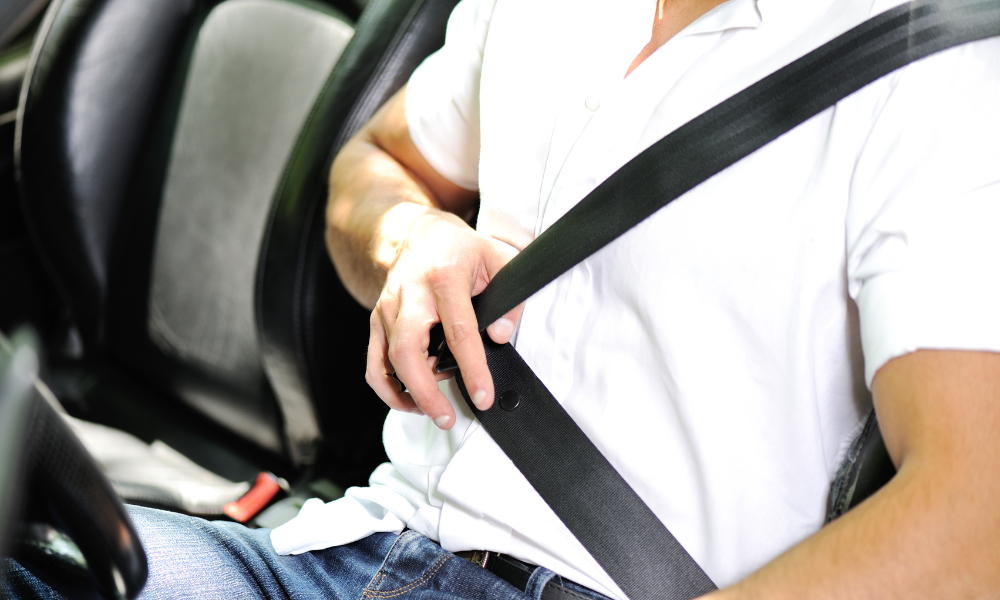
The proper fit test involves several checkpoints. The lap belt should lie across the upper thighs and not the stomach. The shoulder belt needs to cross the chest and shoulder without touching the neck or face. Most children don't achieve this fit until they're between 8 and 12 years old.
To learn more about this, you can also explore the blog section of our official website.
Choosing Between Different Restraint Options
Many parents wonder about booster vs car seat options and which works best for their child. Car seats with harness systems provide more protection for younger and smaller children. These seats secure the child with internal straps rather than relying on the vehicle's seat belt.
The booster vs car seat decision depends on your child's development and size. Forward-facing car seats with harnesses work best for children who have outgrown rear-facing seats but aren't ready for boosters. Most kids transition from harnessed car seats to boosters between ages 4 and 7.
Booster seats improve children so that adult seat belts fit properly across their bodies. They come in two main types: high-back boosters and backless boosters. High-back models provide head and neck support along with side-impact protection. Backless boosters offer portability and work well in vehicles with headrests.
Finding the Right Seat for Your Lifestyle
Families who travel frequently need the best travel car seat that balances safety with convenience. Look for models that install quickly and securely without complicated processes. Lightweight designs make transfers between vehicles much easier.
The best travelling car seat should have clear installation instructions and visual indicators that confirm correct setup. Some models feature fold-flat designs that fit easily in luggage or storage compartments. FAA-approved seats allow use on commercial flights for maximum versatility.
When selecting the best travel booster seat, prioritize models that are compact yet sturdy. Inflatable boosters offer incredible portability, but verify that they meet all safety standards. Some traditional boosters fold or collapse for easier transport without sacrificing protection.
Installation and Usage Best Practices
Reading your safety first car seat manual thoroughly ensures proper installation and use. Every seat model has specific requirements and recommendations from the manufacturer. Skipping this step could compromise your child's safety even if you meet booster seat requirements in Illinois.
Your safety first car seat manual contains necessary information about weight limits and height restrictions. It explains how to adjust harnesses and position the seat correctly in your vehicle. Keep this manual accessible for reference as your child grows and needs adjustments.
Many parents make installation errors that reduce effectiveness. Common mistakes include loose installations, twisted straps, and incorrect recline angles. Consulting your safety first car seat manual and having installations checked by certified technicians eliminates these problems.
Comparing Features Across Different Models
Modern best travel booster seat options include innovative features that enhance safety and comfort. Some models have adjustable armrests and cup holders for longer trips. Others feature machine-washable covers that simplify cleanup after spills.
When evaluating the best travel booster seat for your family, consider ease of use alongside safety ratings. A seat that's difficult to install correctly won't protect your child properly. Look for color-coded belt guides and clear visual confirmations of secure installation.
The best travelling car seat options often include extra padding for comfort during extended journeys. Side-impact protection adds an extra layer of safety in crash scenarios. Ventilated designs keep children cooler in warm weather.
Understanding the Transition Timeline
Many parents rush the transition from car seat to booster before their child is truly ready. Following booster seat requirements in Illinois means using appropriate restraints until age 8 at a minimum. However, keeping children in five-point harnesses longer provides superior protection.
The booster vs car seat debate should prioritize safety over convenience or your child's preferences. While older kids might want to use "big kid" seat belts, their bodies need proper support. Explaining that boosters help them stay safe makes compliance easier.
Consider keeping your child in a harnessed seat longer if they fall asleep frequently during car rides. Boosters rely on proper positioning, and sleeping children often slouch or lean in unsafe positions. A five-point harness keeps them secure regardless of sleep position.
Consequences of Non-Compliance
Violating booster seat requirements in Illinois results in traffic citations and fines. More importantly, improper restraint dramatically increases injury risk in crashes. The financial penalty matters less than protecting your child's safety.
Law enforcement officers can stop vehicles solely for child restraint violations in Illinois. This makes it a primary enforcement law rather than a secondary offense. Ensuring compliance protects both your child and your driving record.
Keeping Up with Regulation Changes
Booster seat requirements in Illinois occasionally change as safety research advances. Stay informed about updates through the Illinois Department of Transportation and the Illinois State Police. These agencies provide current information and educational resources.
Consulting your safety first car seat manual regularly ensures you're following current best practices. Manufacturers sometimes issue recalls or safety notices about specific models. Registering your seat allows you to receive these important updates directly.
Protect your child by verifying you're meeting all booster seat requirements in Illinois today. Review your current restraint system and upgrade if needed to ensure maximum safety on every trip. Your child's well-being depends on the decisions you make right now.
Frequently Asked Questions
Q: At what age can my child stop using a booster seat in Illinois?
A: Illinois law requires booster seats until age 8. However, children should continue using boosters until adult seat belts fit properly, which typically occurs between ages 8 and 12, depending on the child's size and development.
Q: What's the main difference between a car seat and a booster seat?
A: Car seats use internal harness systems to secure children, while booster seats raise kids so vehicle seat belts fit correctly. The booster vs car seat choice depends on your child's age, weight, and developmental readiness for seat belt use.
Q: Can I use a booster seat on an airplane when traveling?
A: Most booster seats are not approved for aircraft use. When choosing the best travelling car seat for flights, select an FAA-approved model specifically designed for both car and plane use.
Q: Where can I find my car seat installation manual?
A: Your safety first car seat manual comes with the seat at purchase. If lost, most manufacturers provide downloadable versions on their websites. Many local fire stations and hospitals also offer free installation assistance.
Q: What features should I look for in a travel booster seat?
A: The best travel booster seat should be lightweight, easy to install, compact for transport, and meet all federal safety standards. Look for models with clear belt guides and positive installation feedback systems for maximum protection.