Technology evolved rapidly in 2025. And it is going to spearhead further in 2026. There's no stopping it. However, with this rise, companies are facing never-ending pressure to deliver goods safely and efficiently.
Fleet safety technology already on the cards will emerge further to become a major shift. Prediction is, it will offer solutions that would prevent accidents, reduce costs, improve overall fleet performance, and do much more. But what are the ways it is actually transforming? How will it impact the transportation of today? Let us discuss it all in this blog.
What is Fleet Safety Technology?
Fleet safety technology refers to the tools and systems designed to monitor vehicles, drivers, and routes. Its main purpose is to enhance safety, minimize risks, and boost efficiency. Core components include GPS tracking, AI monitoring, driver behavior analysis, and smart alert systems.
Rise of AI Fleet Monitoring
AI fleet monitoring is a key innovation in 2026. It allows businesses to track vehicles in real time. With AI, fleets can detect unusual patterns, predict potential issues, and optimize routes. Companies can respond faster to emergencies and maintain higher safety standards.
Predictive Analytics in AI Fleet Monitoring
Predictive analytics takes AI monitoring further. By analyzing past data, AI can forecast accidents or mechanical failures. For example, if a vehicle shows unusual braking patterns, AI can alert managers to inspect the vehicle. This reduces accidents and improves fleet reliability.
Smart Transportation Systems
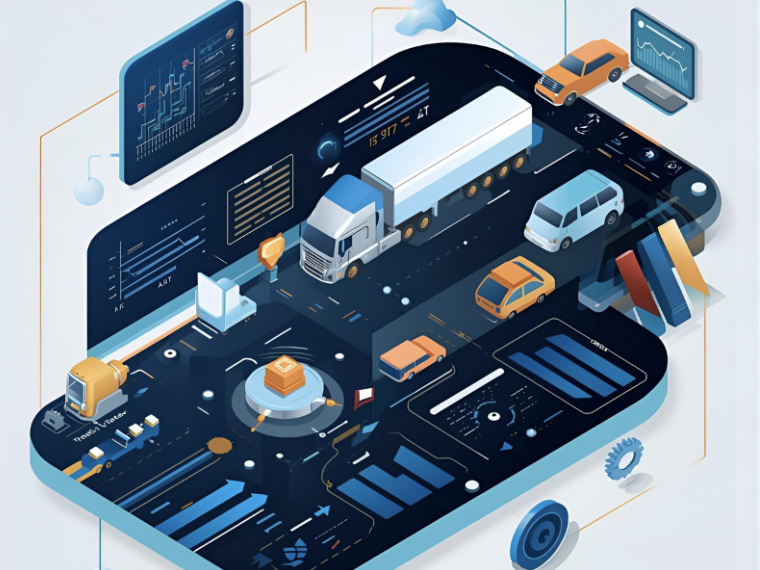
Smart transportation systems connect fleets with city traffic networks. They use data from multiple sources to optimize routes, avoid congestion, and reduce travel time. These systems allow fleets to operate smoothly even in busy urban areas.
Connected Vehicles and IoT
Internet of Things (IoT) devices in vehicles send continuous data to fleet managers. Sensors track engine health, tire pressure, and fuel consumption. Connected vehicles enhance decision-making, prevent breakdowns, and increase fleet lifespan.
Driver Behavior Analytics
Understanding driver behavior is important for safety. Technology can monitor speed, acceleration, braking, and other actions. Companies use this data to reduce risky habits and improve driving performance.
Gamification and Driver Engagement
Many fleets now use gamification to encourage safe driving. Drivers earn rewards or recognition for maintaining good performance. These programs make safety engaging and increase compliance across teams.
Fleet Risk Reduction Strategies
Fleet risk reduction involves proactive measures to prevent accidents and operational issues. AI alerts, route optimization, and driver training are key strategies. Identifying hazards before they cause problems is the essence of fleet risk reduction.
Compliance and Regulatory Benefits
Fleet safety technology also ensures regulatory compliance. Automated reporting and monitoring help companies meet government safety standards. This reduces the risk of fines and improves corporate reputation.
Benefits of Fleet Safety Technology for Companies
Investing in fleet safety technology provides multiple advantages. It reduces insurance costs, lowers accident rates, and saves money on repairs. Employees feel safer, which increases morale. Customers see the company as responsible and trustworthy.
Environmental Impact
Fleet safety technology also promotes sustainability. Smarter driving reduces fuel consumption and emissions. Optimized routes decrease unnecessary trips. Together, these benefits contribute to greener and more eco-friendly transportation.
Challenges in Implementing Fleet Safety
Despite its advantages, implementing fleet safety technology is not without challenges. Initial costs can be high. Training staff and drivers takes time. Resistance to change may slow adoption. Companies must plan carefully to ensure smooth implementation.
Trends in Fleet Safety Technology
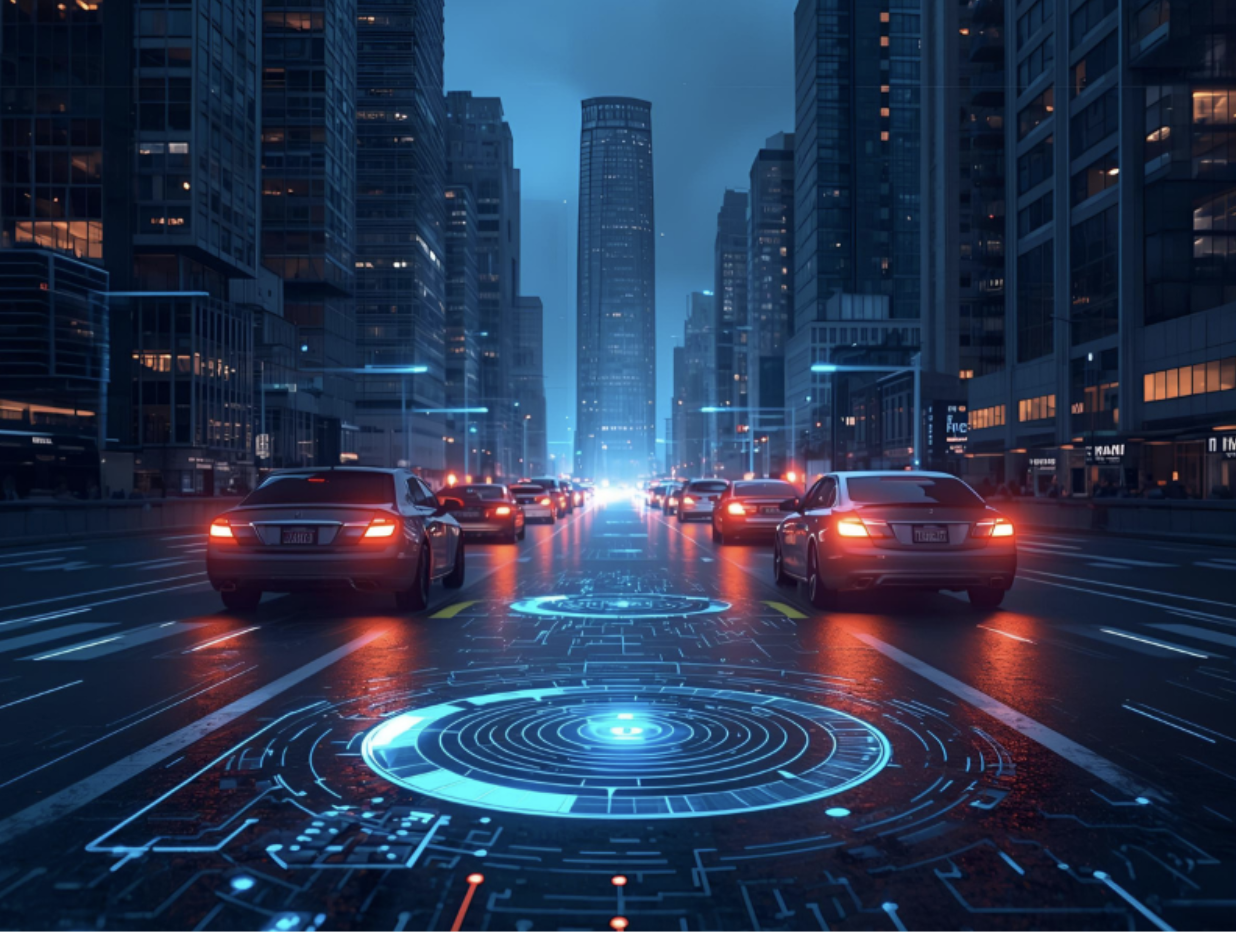
The future looks promising. Autonomous vehicles will integrate with fleet safety systems to reduce human error. AI will become more predictive and adaptive. Fleets will operate safer, cleaner, and more efficiently than ever.
Conclusion
Fleet safety technology is transforming transportation in 2026. AI fleet monitoring, smart transportation systems, driver behavior analytics, and risk reduction strategies are all driving change. Companies investing in these solutions enjoy safer operations, reduced costs, and improved environmental impact. The future is smarter, safer, and more connected.
FAQs
1. What is fleet safety technology?
Fleet safety technology refers to tools, systems, and software designed to monitor and improve the safety and efficiency of commercial vehicle fleets. These solutions include telematics, cameras, GPS tracking, and automated incident reporting.
2. How does AI fleet monitoring work?
AI fleet monitoring uses artificial intelligence to analyze real-time data from vehicles and drivers. It can detect risky behaviors, optimize routes, predict maintenance needs, and send instant alerts for violations or accident risks.
3. What are smart transportation systems, and why are they important for fleet safety?
Smart transportation systems integrate advanced technologies like IoT, GPS, and cloud-based analytics to simplify logistics and improve road safety.
4. How does driver behavior analytics contribute to fleet risk reduction?
Driver behavior analytics track driving patterns such as speeding, harsh braking, and distracted driving. By reviewing this data, fleet managers can coach drivers, promote safe habits, and implement reward systems, which collectively lower accident risks and improve overall fleet performance.
5. What steps can fleets take for effective fleet risk reduction?
Fleets can reduce risks by deploying safety technology, conducting regular driver training, instituting clear safety policies, and rewarding responsible behavior.