Medical transportation serves as a lifeline for millions of patients who need reliable transport to appointments and treatments. The safety standards that protect these vulnerable passengers depend heavily on proper credentials and training. Understanding why NEMT certification matters can help you make informed decisions about medical transport services. Learn more about our NEMT certification program, which covers these ADA standards in full.
What Makes NEMT Certification Core
NEMT certification represents a formal verification process that ensures drivers and companies meet specific safety requirements. This credential demonstrates that transport providers have completed necessary training and follow established protocols for patient care during transit.
Medical transport safety begins with qualified personnel behind the wheel. Certified providers understand how to handle mobility equipment and assist passengers with various medical conditions. They know proper lifting techniques and can recognize signs of patient distress during transport.
The certification process validates that drivers possess knowledge about infection control and vehicle sanitation. These standards protect immunocompromised patients who rely on non-emergency medical transportation for chemotherapy appointments and dialysis treatments.
Core Components of NEMT Driver Training
NEMT driver training covers multiple areas that directly impact passenger well-being. Programs teach defensive driving techniques specific to transporting individuals with health challenges. Drivers learn how to secure wheelchairs properly and operate vehicle lifts without causing injury.
Training modules address communication skills for working with patients who have cognitive impairments or language barriers. NEMT driver training also includes instruction on managing medical emergencies that might occur during transport.
Certified drivers understand how to document trips accurately and maintain patient privacy according to HIPAA regulations. This preparation distinguishes qualified providers from standard taxi or rideshare services.
ADA Transport Standards and Compliance
ADA transport standards establish baseline requirements for accessibility in medical transportation. These federal guidelines mandate that vehicles accommodate wheelchairs and other mobility devices without discrimination.
Vehicles must feature secure tie-down systems that prevent wheelchair movement during transit. ADA transport standards also require adequate space for service animals that accompany passengers with disabilities.
NEMT certification ensures providers understand these legal requirements and maintain compliant vehicles. Regular inspections verify that equipment functions correctly and meets safety specifications outlined in the Americans with Disabilities Act.
Medical Transport Safety Beyond Basic Requirements

Medical transport safety extends beyond vehicle features to include background screening for all drivers. NEMT certification programs typically require criminal history checks and driving record reviews before approving candidates.
Insurance coverage forms another critical component of safe medical transportation. Certified providers carry adequate liability protection that safeguards passengers in case of accidents or incidents during trips.
GPS tracking and dispatch systems allow companies to monitor driver locations and respond quickly to route changes or emergencies. These technological tools enhance medical transport safety by providing real-time oversight of all active transports.
Quality NEMT certification programs mandate ongoing education for drivers. Regular refresher courses keep personnel updated on new safety protocols and best practices in patient transport.
How Certification Protects Vulnerable Populations
Elderly patients and individuals with disabilities face unique risks when traveling to medical facilities. NEMT certification creates accountability measures that protect these vulnerable groups from substandard service.
Certified providers follow protocols for temperature control in vehicles transporting patients sensitive to heat or cold. They understand medication management basics and can assist passengers who need reminders during longer trips.
NEMT driver training teaches cultural competency and sensitivity when working with diverse patient populations. This education helps drivers provide respectful care that honors individual needs and preferences.
The credentialing process filters out providers who lack commitment to patient-centered service. Only companies willing to invest in proper training and oversight earn NEMT certification status.
Choosing Certified Medical Transport Providers
When selecting a medical transport service, you should verify the current NEMT certification status. Ask providers about their training requirements and safety records before booking trips.
Check whether drivers receive ongoing education beyond initial NEMT driver training programs. Companies committed to excellence continuously improve their staff capabilities through regular skill assessments.
Review how providers handle ADA transport standards compliance. Request information about vehicle inspections and maintenance schedules that keep equipment functioning safely.
Certified companies should willingly share their safety protocols and incident response procedures. Transparency about medical transport safety measures indicates a trustworthy provider.
The Future of Medical Transportation Standards
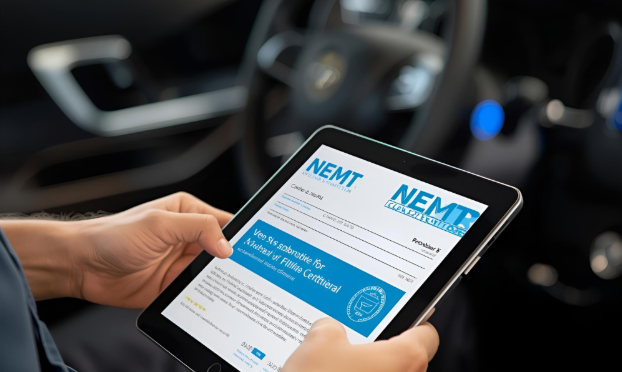
Healthcare systems increasingly recognize that reliable transport affects patient outcomes and appointment attendance. This awareness drives demand for higher NEMT certification standards across the industry.
Technology integration continues to advance medical transport safety through automated vehicle checks and electronic health record connections. These innovations help certified providers deliver more coordinated care.
Regulatory bodies regularly update requirements to address emerging challenges in medical transportation. Maintaining current NEMT certification ensures providers adapt to evolving safety expectations and legal obligations.
What This Means for Your Credentials
NEMT certification serves as your assurance that medical transport providers meet rigorous safety standards. This credential protects patients during vulnerable moments when they depend on others for safe passage to healthcare facilities.
Choosing certified providers means selecting services that prioritize medical transport safety through NEMT driver training and strict adherence to ADA transport standards. Your health and well-being deserve nothing less than properly credentialed medical transportation.
FAQs
1. What is NEMT certification?
NEMT certification validates that drivers and providers meet safety, training, and regulatory standards for non-emergency medical transportation, often including CPR, defensive driving, and passenger assistance skills.
2. What is medical transport safety?
Medical transport safety ensures patient well-being during non-emergency rides through secure wheelchair tie-downs, vehicle inspections, emergency protocols, and driver training to prevent accidents.
3. What does NEMT driver training cover?
NEMT driver training covers wheelchair securement, patient handling, HIPAA compliance, defensive driving, vehicle maintenance, and sensitivity training for passengers with disabilities.
4. What are ADA transport standards?
ADA transport standards require accessible vehicles with ramps or lifts, equivalent service for disabled passengers, trained staff for assistance, and no discrimination in non-emergency medical transport.
5. How do NEMT certifications improve service quality?
NEMT certifications ensure compliance, reduce liability risks, build provider trust, and deliver reliable, safe transportation for vulnerable patients to medical appointments.