Modern vehicle safety innovations are transforming roads across the world. These new technologies actively prevent collisions and save thousands of lives each year. Understanding how these systems work helps drivers make informed decisions about their next vehicle purchase. Let us explore all these in this blog.
Advanced Driver Assistance Systems
Advanced driver assistance systems represent the most significant breakthrough in automotive safety trends. These intelligent features monitor your surroundings and intervene when danger approaches.
Automatic emergency braking stands as one of the most effective crash prevention technology solutions available today. The system uses sensors to detect obstacles ahead and applies brakes automatically if the driver fails to respond. Studies show this feature reduces rear-end collisions by up to 50 percent.
Lane departure warning systems keep vehicles centered in their designated lanes. When your car drifts without signaling, the system alerts you immediately. More advanced versions include lane-keeping assist, which gently steers your vehicle back into position.
Smart Vehicle Monitoring Transforms Driver Awareness

Smart vehicle monitoring systems create a safety network around your car. These technologies work together to provide 360-degree protection.
Rear cross-traffic alert protects you when backing out of parking spaces. The system scans for approaching vehicles or pedestrians and warns you before a collision occurs. This feature proves especially valuable in crowded parking lots where visibility remains limited.
Surround-view camera systems display a bird's-eye view of your vehicle on the dashboard screen. Multiple cameras combine their feeds to create one smooth image. Parking becomes safer and easier even in tight spaces.
Adaptive cruise control maintains safe following distances automatically. The system adjusts your speed based on traffic flow ahead. You stay relaxed during highway driving while the technology handles constant speed adjustments.
Crash Prevention Technology Saves Lives Daily
Modern crash prevention technology extends beyond collision warnings. These systems actively intervene to reduce accident severity or avoid crashes entirely.
Electronic stability control prevents loss of vehicle control during emergency maneuvers. The system applies individual brakes and reduces engine power when it detects skidding. This technology has become mandatory in many countries due to its proven effectiveness.
Forward collision warning systems alert drivers several seconds before impact. Audio and visual warnings provide time to brake or steer away from danger. When combined with automatic braking, these systems create powerful protection.
Pedestrian detection technology identifies people near your vehicle's path. Advanced systems recognize cyclists and animals as well. The vehicle automatically brakes if a collision seems imminent and the driver hasn't reacted.
Artificial Intelligence Enhances Vehicle Safety Innovations
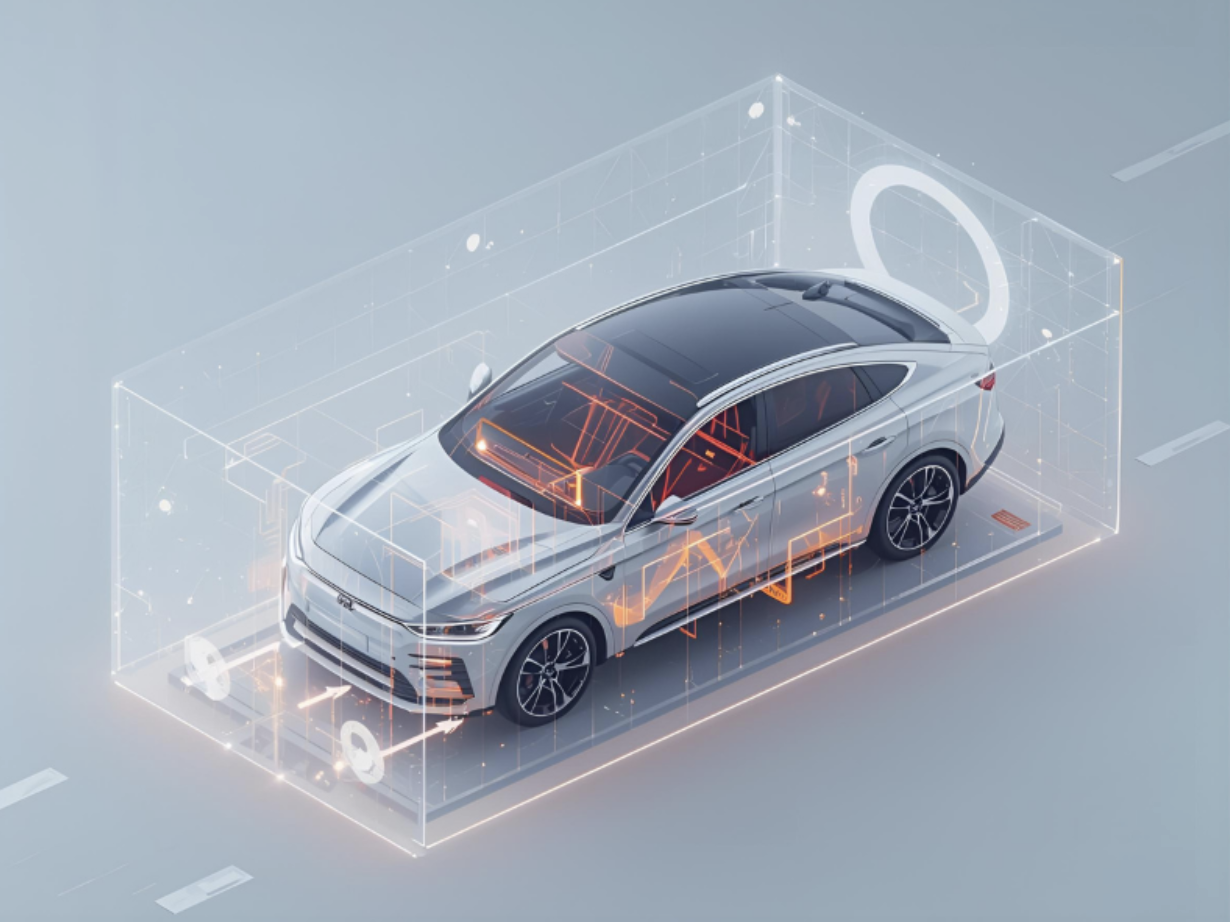
Artificial intelligence now powers the most sophisticated vehicle safety innovations. Machine learning algorithms improve system accuracy over time.
Driver attention monitoring uses cameras to track eye movement and head position. The system detects drowsiness or distraction and alerts the driver to take a break. Some versions even assess overall attentiveness throughout the journey.
Predictive safety systems analyze multiple data sources simultaneously. These advanced driver assistance systems anticipate dangerous situations before they develop. The technology considers weather conditions and traffic patterns and road characteristics.
Night vision systems help drivers see beyond headlight range. Infrared cameras detect heat signatures from people and animals in darkness. A dashboard display highlights potential hazards that would otherwise remain invisible.
The Future of Automotive Safety Trends
Vehicle safety innovations continue evolving at a rapid pace. Emerging technologies promise even greater accident reduction.
Vehicle-to-vehicle communication allows cars to share information about road conditions and sudden braking, and hazards ahead. This connected network creates early warning systems that extend far beyond individual sensor range.
Advanced airbag systems deploy strategically based on collision type and passenger position. Side curtain airbags and knee airbags, and center airbags between front passengers all reduce injury severity.
Automated emergency steering helps drivers avoid collisions when braking alone proves insufficient. The system calculates the safest evasive path and assists with steering input.
Making Roads Safer for Everyone
These vehicle safety innovations work together to create protection. Each technology addresses specific accident scenarios that claim lives daily.
Manufacturers continue adding these features to more affordable vehicle models. What once appeared only in luxury cars now reaches mainstream markets. This democratization of safety technology benefits drivers worldwide.
Smart vehicle monitoring and crash prevention technology represent more than convenience features. These systems actively reduce accident rates and save lives, and prevent injuries across all road types.
Understanding available vehicle safety innovations helps you choose vehicles with maximum protection. As these automotive safety trends become standard equipment, our roads grow safer for everyone who uses them.
FAQs
1. What are vehicle safety innovations?
Vehicle safety innovations include new technologies like smart sensors, AI, and automation that make cars safer by preventing accidents and improving driver awareness.
2. How do advanced driver assistance systems (ADAS) work?
ADAS uses cameras, radar, and AI to help drivers avoid collisions and stay in control by providing features like lane-keeping, adaptive cruise control, and automatic emergency braking.
3. What is crash prevention technology?
Crash prevention technology involves automated systems that detect hazards, warn drivers, and can even apply brakes or steer vehicles to avoid accidents in real time.
4. What are the latest automotive safety trends?
Current automotive safety trends focus on AI-powered monitoring, connected vehicle communication, and mandatory advanced safety standards for all new cars.
5. How does smart vehicle monitoring improve safety?
Smart vehicle monitoring uses AI and real-time data from cameras and sensors to track driver behavior and vehicle health.