Illinois continues strengthening safety standards for non-emergency medical transportation providers. Understanding NEMT training requirements protects your business and ensures quality patient care. This guide covers everything you need to know about compliance in 2026.
Understanding NEMT Training Basics in Illinois
NEMT training has become more as the industry grows across Illinois. State regulations require all providers to meet specific safety and service standards before transporting patients.
Every NEMT driver must complete mandatory certification programs. These programs cover patient safety protocols, vehicle operation procedures, and emergency response techniques. The training ensures passengers receive professional care during transport.
NEMT transportation providers face strict oversight from state health departments. Regular audits verify that companies maintain current training credentials. Non-compliance results in service suspension or license revocation.
Core Components of NEMT Driver Training

NEMT driver training encompasses multiple skill areas. Successful completion requires both classroom instruction and practical application.
Defensive Driving Foundation
Defensive driving forms the foundation of every NEMT training course. Drivers learn accident prevention strategies, hazard recognition skills, and safe vehicle maneuvering techniques. These competencies reduce collision risks while transporting vulnerable passengers.
Patient Assistance and Safety
Patient assistance training teaches proper techniques for helping individuals with mobility challenges. NEMT drivers must understand wheelchair securement procedures, safe transfer methods, and fall prevention protocols. This knowledge protects both passengers and transportation staff.
Medical Emergency Response
Medical emergency response represents another critical component. The NEMT training course includes CPR certification, first aid basics, and crisis management procedures. Drivers need skills to handle unexpected health situations during transport.
Mandatory Certification Requirements for 2026
Illinois updated certification standards for NEMT training programs effective January 2026. All providers must align with the new state guidelines.
Initial certification now requires 40 hours of instruction. This includes 24 hours of classroom learning and 16 hours of supervised practical experience. The extended NEMT driver training ensures thorough preparation.
Background checks have become more stringent for anyone providing NEMT transportation. All drivers must pass fingerprint-based criminal history screenings. The state reviews driving records going back seven years.
Drug testing protocols now include pre-employment screening and random testing throughout employment. Companies must maintain detailed testing records as part of their NEMT training documentation.
Specialized Training for Different Patient Populations
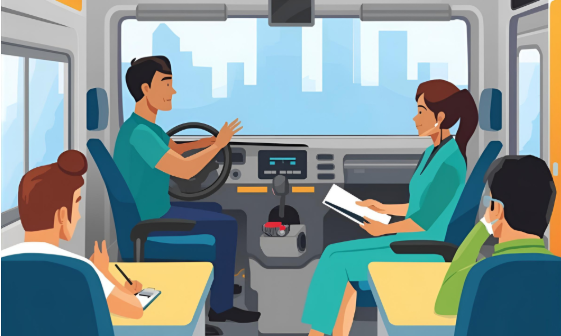
NEMT transportation serves diverse patient groups with unique needs. Specialized NEMT training course modules address specific care requirements.
Behavioral Health Transport
Behavioral health transport training prepares drivers for passengers experiencing mental health crises. De-escalation techniques, communication strategies, and safety protocols form the curriculum core. This specialization helps when working with psychiatric facilities.
Pediatric Transport Certification
Pediatric transport certification covers child safety seat requirements, age-appropriate communication methods, and pediatric emergency procedures. Providers serving children must complete this additional NEMT driver training.
Bariatric Patient Transport
Bariatric patient transport requires understanding specialized equipment operation, proper body mechanics, and dignity-focused care approaches. This NEMT training module protects both patients and drivers from injury.
Finding Quality NEMT Training Near You
Searching for quality NEMT training reveals numerous providers across Illinois. Selecting accredited programs ensures compliance with state requirements.
Chicago offers multiple approved NEMT training centers throughout the metropolitan area. These facilities provide hands-on instruction using actual transport vehicles and medical equipment. Urban training sites expose drivers to high-traffic scenarios.
Downstate Illinois residents can access NEMT training course options in Springfield, Peoria, and Rockford. Regional programs often cost less than Chicago alternatives while meeting identical state standards.
Online hybrid programs combine virtual classroom instruction with local practical assessments. This flexible approach helps existing NEMT drivers complete continuing education requirements without extended time away from work.
Continuing Education and Refresher Requirements
NEMT training doesn't end after initial certification. Illinois mandates ongoing education to maintain licensure.
Annual refresher courses cover 12 hours of updated content. These sessions review regulatory changes, reinforce critical safety procedures, and introduce new best practices. Every NEMT driver must complete refreshers before their anniversary date.
Specialized NEMT transportation scenarios require supplemental training. Adding wheelchair van services or stretcher transport capabilities triggers additional certification requirements. Providers must document these qualifications carefully.
Incident-based retraining occurs after accidents or patient complaints. The state may mandate additional NEMT driver training following serious safety violations. This corrective education addresses specific performance deficiencies.
Documentation and Record-Keeping Standards
Proper documentation proves NEMT training compliance during state audits. Illinois requires careful record maintenance.
Training certificates must include course completion dates, instructor credentials, and specific topics covered. Digital and physical copies should remain accessible for inspection. These documents verify your NEMT training history.
Employee training files need updating within 30 days of any new certification. HR departments must track expiration dates and schedule timely renewals. Missing credentials can shut down NEMT transportation operations.
Vehicle inspection logs and maintenance records complement training documentation. Together, these prove a safety commitment beyond basic NEMT driver training requirements.
Smart providers begin NEMT training preparation months before deadlines. Proactive planning prevents last-minute compliance scrambles. Budget adequate resources for NEMT training course enrollment. Factor in instructor fees, materials costs, and employee time away from regular duties.
Create rotating training schedules that minimize operational disruption. Stagger certification dates so your entire NEMT driver workforce never undergoes training simultaneously. This maintains service continuity.
Staying Ahead of Industry Changes
The NEMT training market evolves continuously. Successful providers monitor regulatory updates and adapt quickly to new requirements.
Join professional associations focused on non-emergency medical transportation. These organizations provide early notice of pending regulatory changes affecting NEMT drivers across Illinois.
Invest in your team's professional development beyond minimum requirements. Advanced NEMT training course completion demonstrates quality commitment to patients and referral sources. This competitive advantage helps you stand out when customers search for reliable NEMT providers.
FAQs
1. What is NEMT training?
NEMT training is specialized education that teaches drivers how to safely provide non-emergency medical transportation, focusing on passenger assistance, safety, and medical awareness.
2. How does NEMT training relate to NEMT transportation?
Quality NEMT transportation providers rely on trained drivers who complete NEMT training courses, ensuring safe, compliant trips for patients going to medical appointments.
3. Who is an NEMT driver?
An NEMT driver transports patients who do not need emergency care but require safe, assisted travel to hospitals, clinics, or therapy centers, often helping with mobility devices and door-to-door service.
4. What is NEMT driver training?
NEMT driver training teaches defensive driving, wheelchair and stretcher handling, ADA passenger assistance, first aid/CPR, and communication skills for transporting medically vulnerable passengers.
5. What is an NEMT training course?
An NEMT training course is a structured program or certification that combines classroom and practical instruction to prepare drivers and providers to meet safety, regulatory, and patient-care standards.